Bullying and Cyberbullying: how to recognize them and intervene to protect your child
Nan Coosemans ·
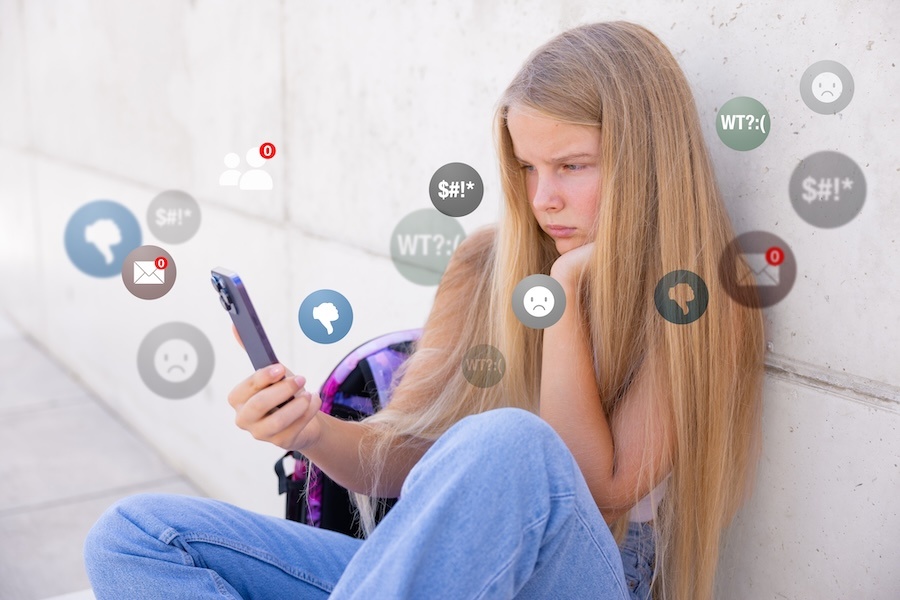
If you’ve been following the news lately, you’re probably somewhat updated on this topic; Bullying and cyberbullying are two serious problems that…
If you’ve been following the news lately, you’re probably somewhat updated on this topic; Bullying and cyberbullying are two serious problems that, unfortunately, affect more and more young people today.
But how can we know if they involve our own child? And what can we do to help?
Today I want to share some practical advice on how to recognize if your child is involved in these situations and, most importantly, how to intervene as a parent.
Bullying: an invisible yet powerful problem
Bullying is not limited to a specific type of child, nor is it just a “school issue.” Anyone, regardless of their personality, can become involved. And while it’s often associated with school, bullying can actually happen anywhere: in the park, at church, in the gym, at the pool, and yes, even at school.
That’s why it’s essential for us, as parents, to learn to recognize the early warning signs and intervene right away—without waiting.
What does “bullying” really mean?
In simple terms, bullying is a form of physical or psychological violence that can show up in many ways: teasing, threats, insults, exclusion, even physical assaults. And let’s not forget cyberbullying, which takes place online and is often even harder to monitor, since kids spend so much time on social media and the internet—outside of our direct supervision.
How to recognize if your child is being bullied
There are certain signs every parent should pay attention to. In the case of “classic” bullying, they are often easier to spot, as they may be both psychological and physical; with cyberbullying, however, we must be even more attentive.
Common warning signs of bullying
Children who are bullied often don’t talk about what’s happening. But there are some signals you should learn to recognize, such as:
-
Unexplained bruises or scratches: If you notice marks on your child’s body and they can’t give a convincing explanation, pay attention. Damaged or broken personal belongings (like a phone, books, notebooks, backpack…) can also be a clue that something is wrong.
-
Avoiding social activities: If your child suddenly doesn’t want to go to school, asks to change sports teams, or avoids familiar places, it may be because they don’t feel safe there.
-
Low self-esteem: Phrases like “I’m worthless,” “I don’t have any friends,” or “Nobody cares about me” are clear signs of distress, possibly triggered by bullying.
-
Withdrawal and introversion: If your child starts isolating themselves, stops talking to friends or family, or seems sad and anxious without reason, it’s worth investigating further.
When bullying goes online
In the case of cyberbullying, the signals are harder to spot. If your child seems unusually secretive about their online activities, watch for behaviors like:
-
Defensiveness about social media: If your child gets upset or refuses to show you their phone whenever social media is mentioned, it could be a red flag.
-
Nervousness online: If they seem anxious when using the computer or avoid talking about their online experiences, cyberbullying may be involved.
-
Reduced social media use: If they suddenly stop using social media or delete their accounts, it may be because of negative or aggressive comments online.
What to do if your child is a victim of bullying
If you notice any of these warning signs, the next step is to open a conversation with your child. First and foremost, let them know that you are there to listen and won’t judge. If during this conversation you discover your child is being bullied, the most important thing is to stay calm. It’s heartbreaking, and your first instinct may be to react impulsively, but keeping your composure is crucial—for both you and your child.
Here’s what you can do:
-
Listen without judgment – Let your child share openly. Don’t minimize their experience. Create a safe space where they feel comfortable opening up.
-
Talk to the school – If bullying happens at school, contact teachers and staff. Schools have anti-bullying policies; ask what measures they are taking to address the situation.
-
Document everything – Keep evidence: photos of injuries, screenshots of offensive messages, witness statements. These will be useful if authorities need to be involved.
-
Help them find solutions – Bullying is not something to face alone. Teach them healthy, non-violent ways to stand up for themselves. Assertiveness techniques can make a big difference.
And what if your child is the bully?
Discovering that your own child is a bully is extremely difficult, but it’s crucial to handle it properly—without falling into self-blame. Here’s how to approach it:
-
Talk calmly – Ask questions without accusing, e.g. “It seems like there have been some problems with your classmates, do you want to tell me what happened?”
-
Show the consequences – Help them understand the negative impact of bullying on victims and others. Talk about both emotional and possible legal consequences.
-
Offer a path to change – Don’t just punish; give them tools to improve. Suggest empathy-building activities like volunteering or projects that make them reflect on their actions.
-
Seek professional support – Sometimes bullying stems from personal struggles like low self-esteem or difficulty managing emotions. Professionals can help uncover and address these root causes.
As a parent, your role is crucial
Bullying and cyberbullying are complex issues, but parents play a key role in preventing and managing them. Recognizing early signs, maintaining open communication, and intervening quickly can make all the difference.
If you believe your child is going through a particularly difficult time, or you don’t know how to handle a bullying situation, don’t hesitate to seek support. At Younite, we are here to help you and work together to find the right solutions.
Contact us at info@youniteonline.com and discover how we can best support you.
.